





































Understanding Biodegradable Plastics: Hype or Real Solution?

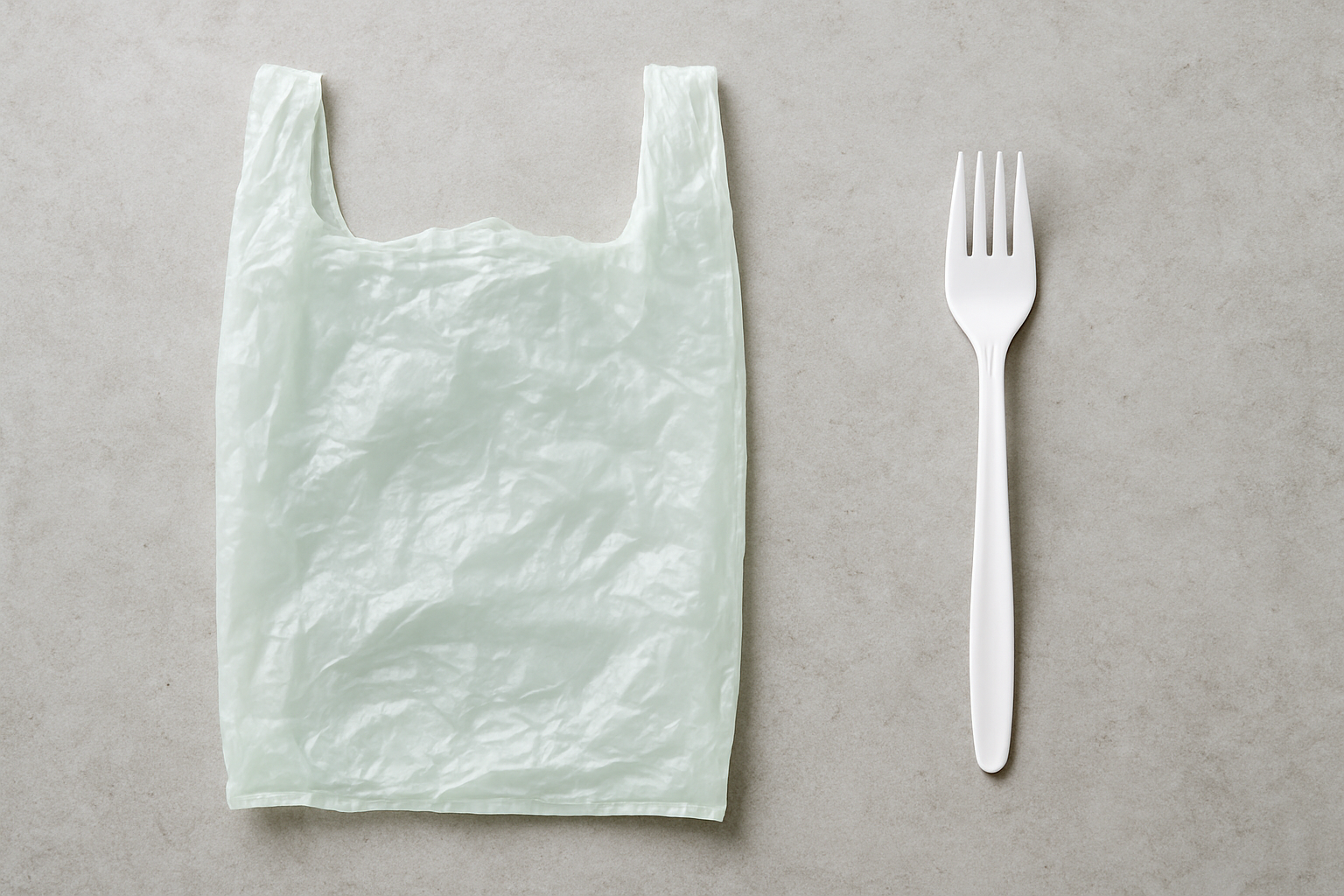
Biodegradable plastic sounds like the obvious answer to the plastic waste problem. Make the material disappear naturally and the problem solves itself.
The reality is considerably more complicated. Some biodegradable plastics work extremely well in the right conditions. Others break down only under laboratory-grade circumstances that virtually never occur in the real world. And a few make things worse.
Here is a clear-eyed look at what these materials actually do.
The Terms Are Not Interchangeable
Four words get used as if they mean the same thing. They do not.
Bio-based refers to origin, not end of life. A bio-based plastic is made from renewable feedstock — corn starch, sugarcane, cellulose — instead of petroleum. Bio-PE made from sugarcane is chemically identical to conventional PE and lasts exactly as long. Bio-based says nothing about degradation.
Biodegradable means microorganisms can break the material down into water, carbon dioxide, and biomass. Critically, the term is meaningless without specifying conditions and timeframe. Almost anything is biodegradable given enough centuries.
Compostable is biodegradable under specified conditions within a specified time, verified against standards such as EN 13432 or ASTM D6400. Most certified compostable plastics require industrial composting: sustained temperatures around 55–60°C, controlled humidity, and active microbial management.
Home compostable is a stricter and rarer certification, requiring breakdown at ambient temperatures in a domestic compost heap.
The distinction between compostable and home compostable is where most consumer confusion — and most greenwashing — lives.
The Main Material Families
PLA (Polylactic Acid) is the most widely used bioplastic, made from fermented plant starch. It handles well, prints well, and is used in food service items, packaging films, and 3D printing filament. It is industrially compostable but will not meaningfully degrade in a home compost heap, a landfill, or the ocean. In a marine environment it behaves much like conventional plastic.
PHA (Polyhydroxyalkanoates) is produced by bacterial fermentation and genuinely biodegrades across a wider range of environments, including marine conditions, without industrial composting. It is the most environmentally capable option available — and also the most expensive, with limited production capacity.
Starch blends combine thermoplastic starch with other polymers. Performance and degradation behaviour depend heavily on the blend ratio; some are genuinely compostable, others contain enough conventional polymer that the “biodegradable” label is misleading.
PBAT and PBS are petroleum-derived but biodegradable polyesters, often blended with PLA to improve flexibility and toughness in compostable films.
Oxo-degradable plastics deserve separate treatment. These are conventional plastics with additives that accelerate fragmentation under UV and heat. They do not biodegrade — they break into smaller and smaller pieces. The result is microplastic, distributed more widely and harder to recover than the original item. Multiple jurisdictions have restricted or banned them, and major environmental organisations have called for their elimination.
The Infrastructure Problem
This is where the theory meets reality.
A certified compostable product only delivers its benefit if it reaches an industrial composting facility. That requires the item to be correctly identified by the user, collected in an organic waste stream, and accepted by a facility that processes it.
In most of the world, and certainly across most of South Asia, that chain does not exist. A compostable cup that goes into general waste ends up in a landfill, where anaerobic conditions prevent the intended aerobic breakdown — and where any degradation that does occur may generate methane.
Worse, compostable plastic entering a conventional recycling stream is a contaminant. PLA mixed into PET recycling degrades the quality of the recovered material. A product designed to be environmentally superior can actively damage a functioning recycling system.
The uncomfortable conclusion: biodegradable plastic without matching collection infrastructure is often worse than recyclable plastic within a working recycling system.
Where Biodegradable Plastics Genuinely Make Sense
They are not a false solution — they are a specific solution for specific applications.
Agricultural mulch films. Certified soil-biodegradable films eliminate the labour and waste of retrieving and disposing of conventional film. The material degrades where it is used, in soil, which is exactly the environment it was designed for. This is arguably the strongest use case.
Organic waste collection bags. A compostable bag containing food waste travels to the same facility as its contents. The collection stream already exists.
Closed-venue food service. Stadiums, campuses, airlines, and events that control their own waste stream can collect compostables reliably and send them to processing.
Items that inevitably escape collection. Fishing gear components, certain agricultural items, and products used in environments where recovery is impractical benefit from materials that degrade rather than persist — with PHA the strongest candidate.
Medical and hygiene applications where contamination rules out recycling entirely.
Where They Do Not
General retail packaging in markets without composting infrastructure. The material ends up in landfill or, worse, in the recycling stream as a contaminant.
Durable products. A biodegradable chair or crate is solving a problem that does not exist. Durable goods should be built to last and then recycled.
As a licence for single-use. The most common misuse of biodegradable materials is to justify disposability. Replacing a single-use item with a compostable single-use item is a smaller improvement than eliminating the single use.
What Manufacturers Should Do
Match the material to the actual end-of-life pathway, not the imagined one. Ask where this product genuinely ends up in the market it serves.
Demand certification, not claims. EN 13432, ASTM D6400, or equivalent — with the certificate available.
Label with precision. State whether the product is industrially compostable or home compostable, and instruct the user accordingly.
Do not use oxo-degradable additives. They generate microplastics and are increasingly restricted.
Consider recyclable mono-material first. In markets with functioning plastic recycling and no composting infrastructure, a well-designed recyclable product usually delivers a better outcome than a compostable one.
Frequently Asked Questions
Do biodegradable plastics break down in the ocean?
Most do not. PLA is essentially stable in seawater. PHA is the significant exception.
Can biodegradable plastic be recycled?
Generally no, and it contaminates conventional recycling streams if mixed in.
Is bio-based plastic better for the environment?
It reduces fossil feedstock dependence, but a bio-based PE bottle persists exactly as long as a petroleum-based one.
The Honest Answer
Biodegradable plastics are neither hype nor a complete solution. They are a targeted tool that performs well in agriculture, organic waste handling, and controlled-collection environments, and performs poorly when deployed as a general substitute for conventional plastic in markets without the infrastructure to process them.
The right question is never “is this biodegradable?” It is “where will this product actually end up, and what is the best material for that destination?”



Related Posts

Uncategorized
How FH Plastics Ensures Durable, Safe Products
How FH Plastics Ensures Durable, Safe Products Durability and safety are…

Uncategorized
5 Ways Plastic Manufacturing Is Going Green in 2026
For years, “green plastics” was mostly a marketing line. In 2026…

Uncategorized
Recyclable vs Non-Recyclable Plastics: What Manufacturers Need to Know
Not all plastic is created equal. Two containers that look identical…

Uncategorized
The Future of Plastics Manufacturing in South Asia
South Asia has spent two decades building plastics manufacturing capacity. The…


